Systems Medicine, Digital Twins & AI
Metabolic Inflammation and Carcinogenesis of the Liver
We build open, FAIR digital twins of human physiology - AI-powered models that predict disease and therapy, patient by patient.

Data scientist, data analyst, computational modeler, bioinformatician, group leader. Application of computational modeling and machine learning to biological, medical and clinical questions and data...
Full profile →
Mariia works on ATLAS, a decision support tool for hepatocellular carcinoma (HCC). Based on AI methods, ATLAS processes all relevant patient data from databases,...
Full profile →
Shubhankar worked on enhancing our understanding of enalapril's pharmacokinetics and dynamics based on a physiologically based modeling approach. The work will build on top...
Full profile →
Martina works on data management and metadata of clinical samples.
Full profile →
Michelle develops a physiologically based pharmacokinetic/ pharmacodynamic (PBPK) model of the sulfonylurea glimepiride. The objective is to enhance our understanding of the underlying causes...
Full profile →
Mariia works on a physiologically based model of lisinopril. Key questions are the effect of hepatic and renal disease on lisinopril pharmacokinetics and pharmacodynamics.
Full profile →
Amanda develops a physiologically based pharmacokinetic/ pharmacodynamic (PBPK/PD) model of the diuretic hydrochlorothiazide. The objective is to enhance our understanding of how hydrochlorothiazide changes...
Full profile →
Kim is developing a physiologically based pharmacokinetic/ pharmacodynamic (PBPK/PD) model of the GLP-1 receptor agonist dulaglutide to better understand its absorption, distribution, metabolism, and...
Full profile →
Jessica Cruz is developing a physiologically based pharmacokinetic (PBPK) model of the leukotriene receptor antagonist montelukast to better understand its absorption, distribution, metabolism, and...
Full profile →
Shelee is developing a physiologically based pharmacokinetic (PBPK) model of the multikinase inhibitor lenvatinib to better understand its absorption, distribution, metabolism, and excretion. The...
Full profile →
Chang Linh is developing a physiologically based pharmacokinetic (PBPK) model of the β2-adrenergic receptor agonist albuterol (salbutamol) to better understand its absorption, distribution, metabolism,...
Full profile →
Sandeep is developing a physiologically based pharmacokinetic (PBPK) model of the multi-kinase inhibitor regorafenib to better understand its absorption, distribution, metabolism, and excretion. The...
Full profile →
Antonio will delve into the influence of parameter variability in PBPK models, focusing on the consequential effects for dynamic liver function assessments. The overarching...
Full profile →What if every medical model served you, not the average - and belonged to everyone?
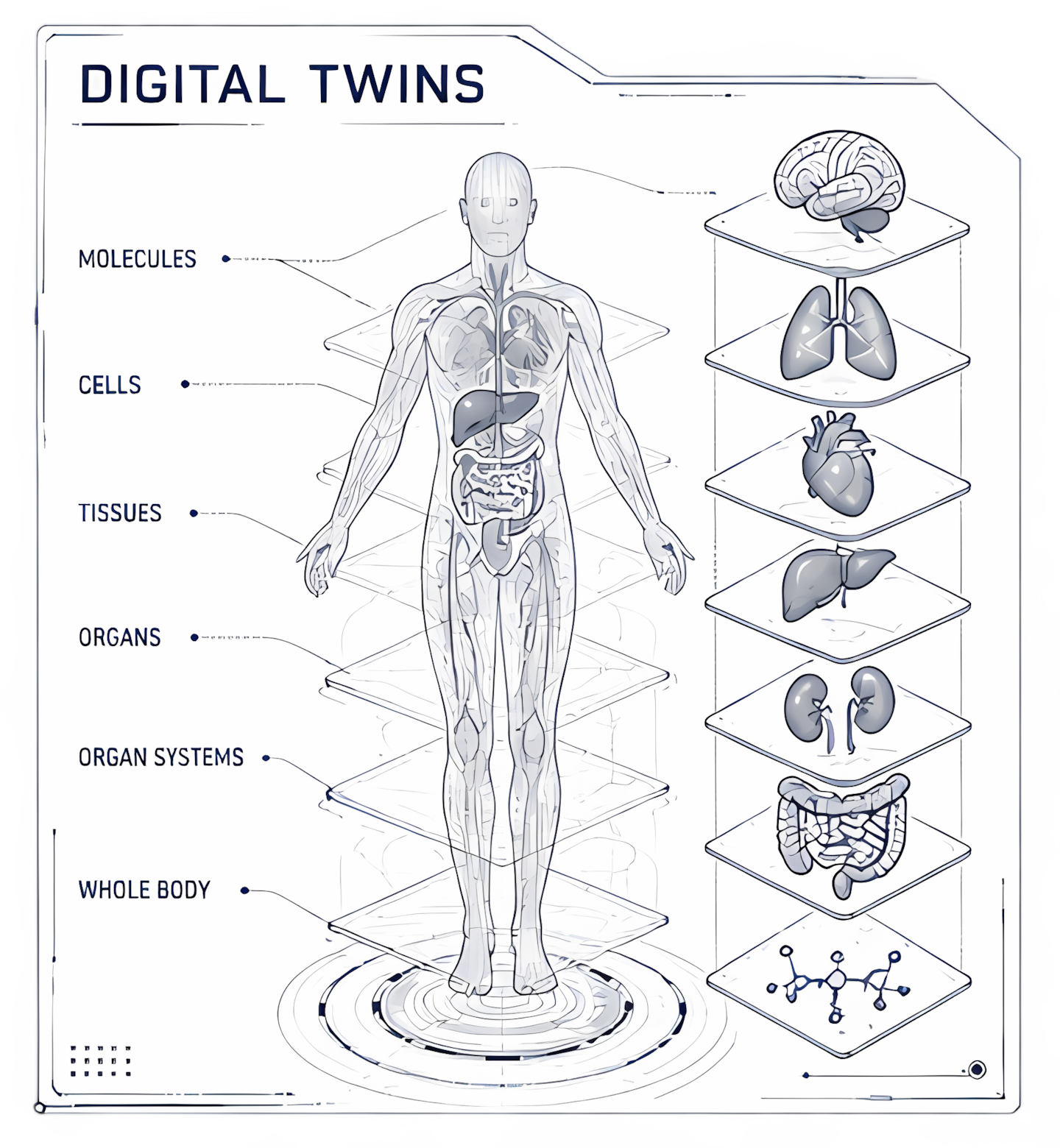
Digital Twins
Every patient becomes a model. We build physiologically based digital twins — living simulations that mirror an individual from molecule to whole body — so care can be planned before it is given.
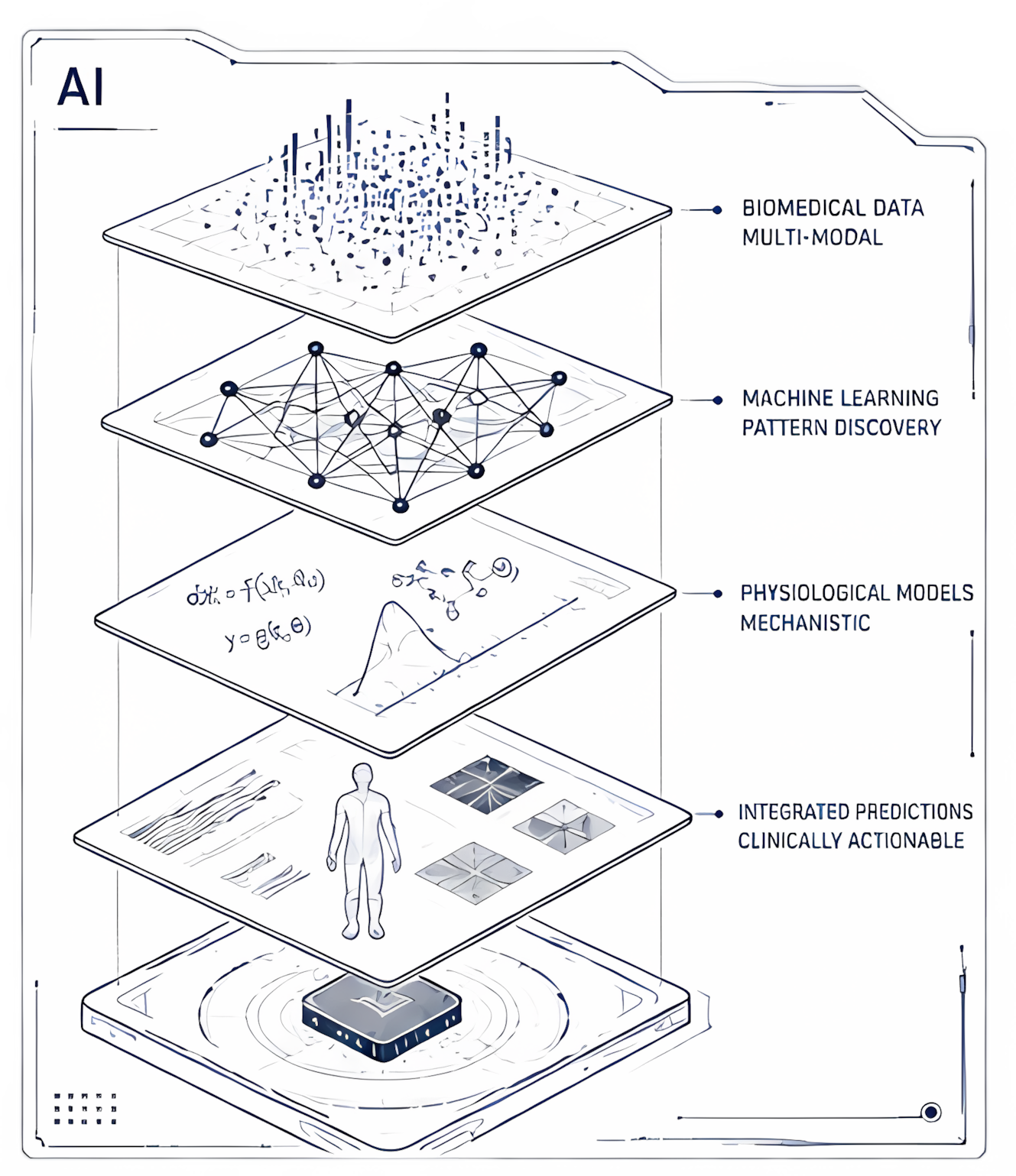
AI
Data alone cannot explain a patient — mechanism can. We fuse machine learning with physiological models to turn complex biomedical data into predictions clinicians can trust.
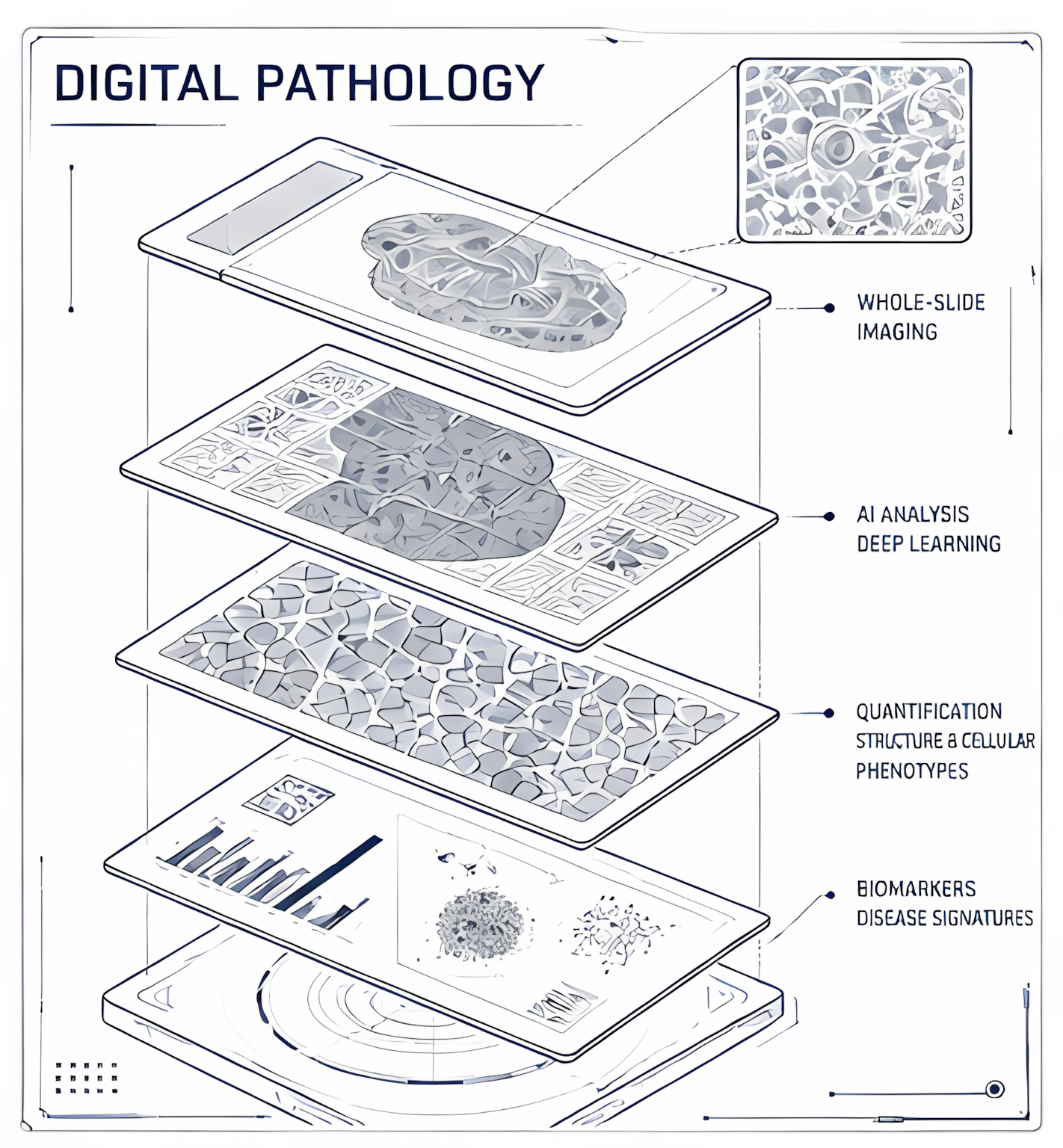
Digital Pathology
A biopsy holds a whole organ's story. We use AI to read whole-slide histology at scale, quantifying liver structure and disease with a precision no eye can match.
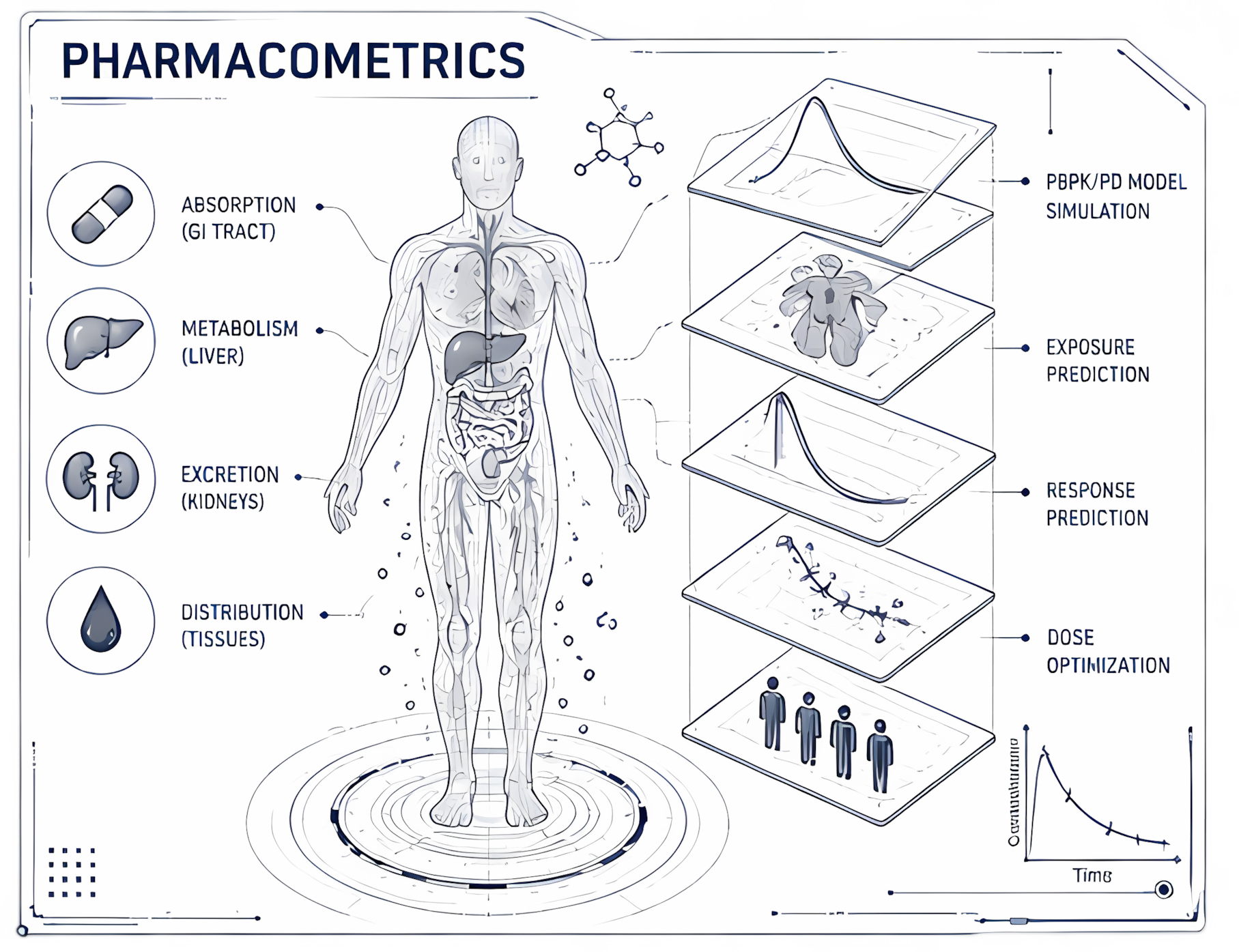
Pharmacometrics
The right dose is never one-size-fits-all. Our PBPK/PD models simulate how each body absorbs, distributes, and clears a drug, turning population averages into individual precision.
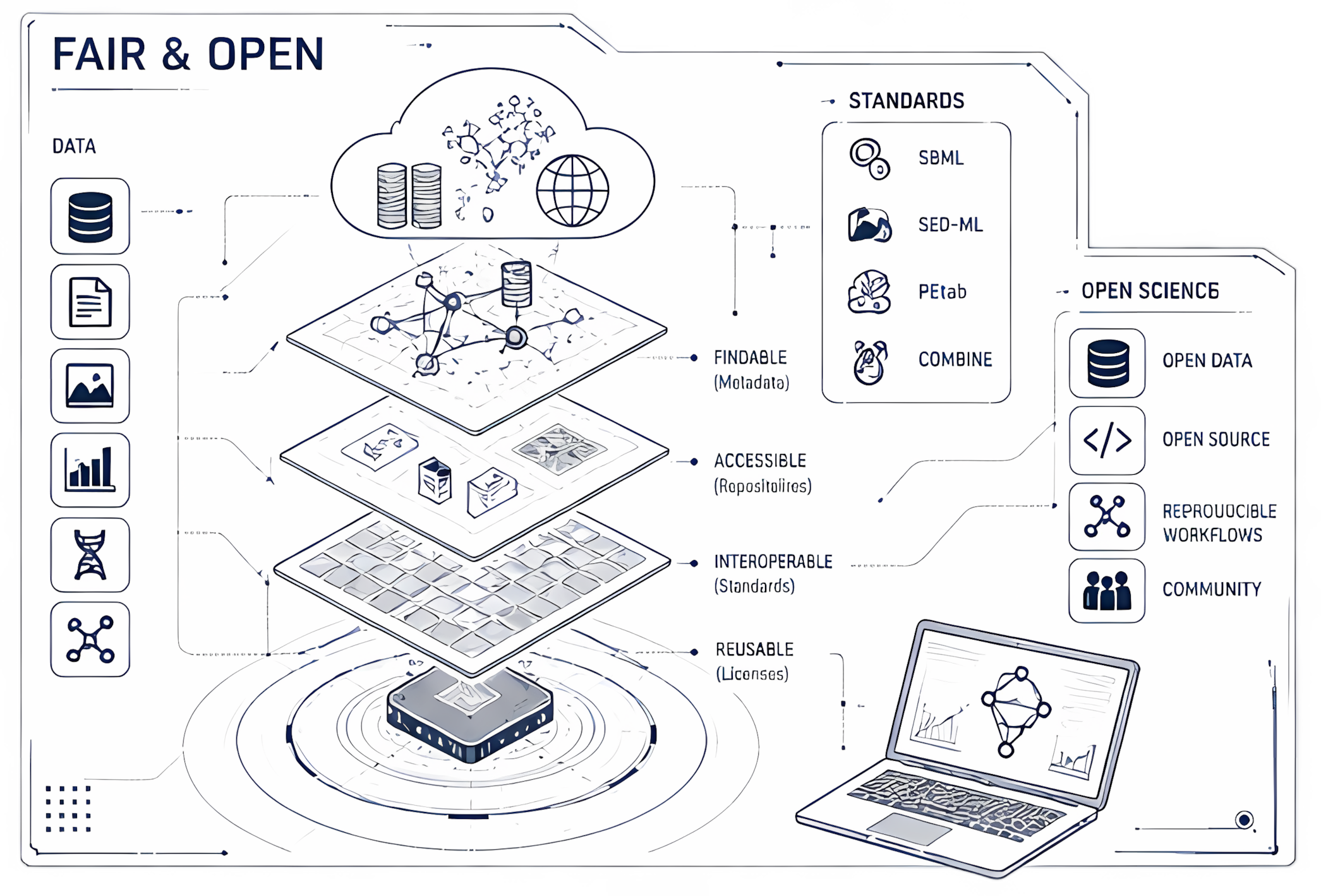
Open & FAIR
Science that cannot be reproduced cannot be trusted. Every model, dataset, and line of code we publish is open, FAIR, and built for the community to verify, reuse, and extend.