Analysis of hepatic zonation patterns from whole-slide images

Analysis of hepatic zonation patterns from whole-slide images

Digital Pathology AI

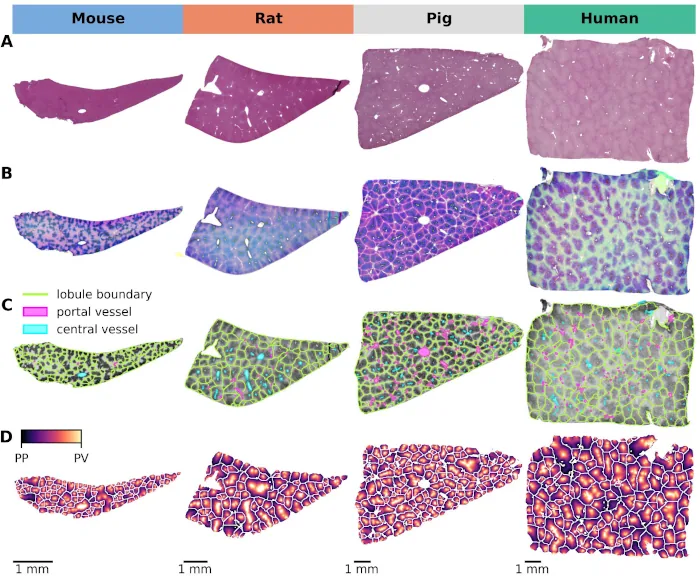
A whole-slide imaging pipeline to quantify lobular geometry and the zonation of CYP450 enzymes and glutamine synthetase across species (mouse, rat, pig, human), determining the minimum number of lobules needed for statistically robust liver biopsy analysis.

Physiologically based pharmacokinetic (PBPK) model of creatinine and inulin

Physiologically based pharmacokinetic (PBPK) model of creatinine and inulin

Pharmacometrics

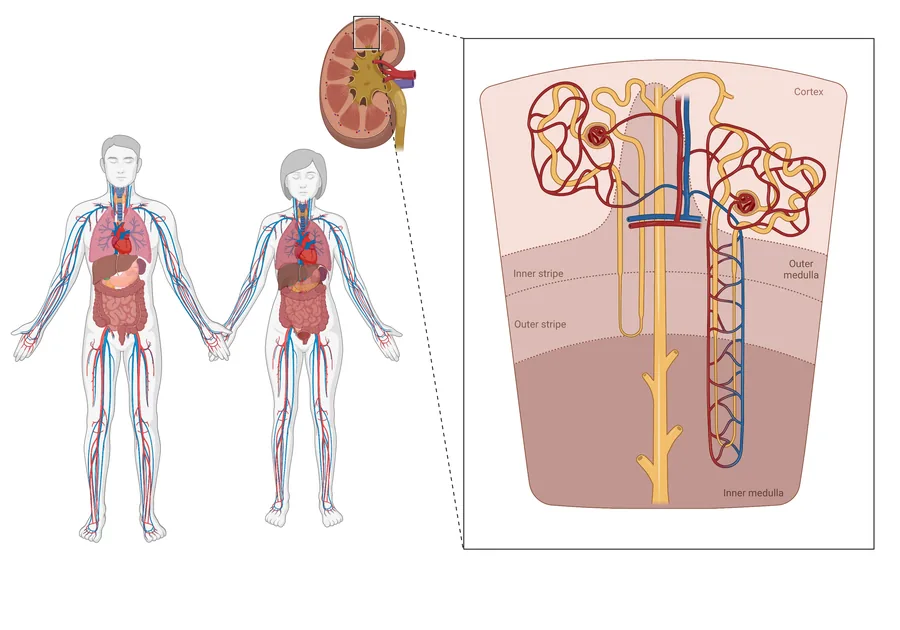
A PBPK model of inulin and creatinine to better understand how dosing protocols, body composition, and tubular secretion affect glomerular filtration rate (GFR) measurements.


Physiologically based pharmacokinetic (PBPK) model of CYP2D6 polymorphism

Physiologically based pharmacokinetic (PBPK) model of CYP2D6 polymorphism

Pharmacometrics

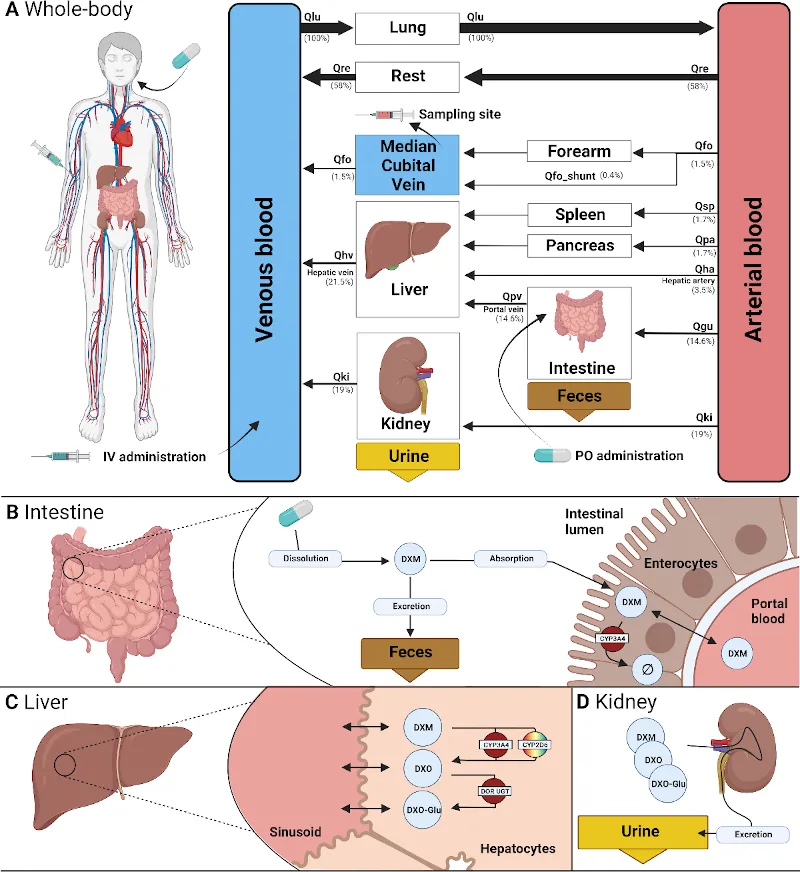
A curated pharmacokinetics dataset and PBPK model of dextromethorphan and its metabolites, capturing CYP2D6 genetic polymorphisms and CYP3A4 variability to explain interindividual differences in drug metabolism. Model and database are freely available.


Digital twins of SGLT2 inhibitors

Digital twins of SGLT2 inhibitors

Digital Twins Pharmacometrics

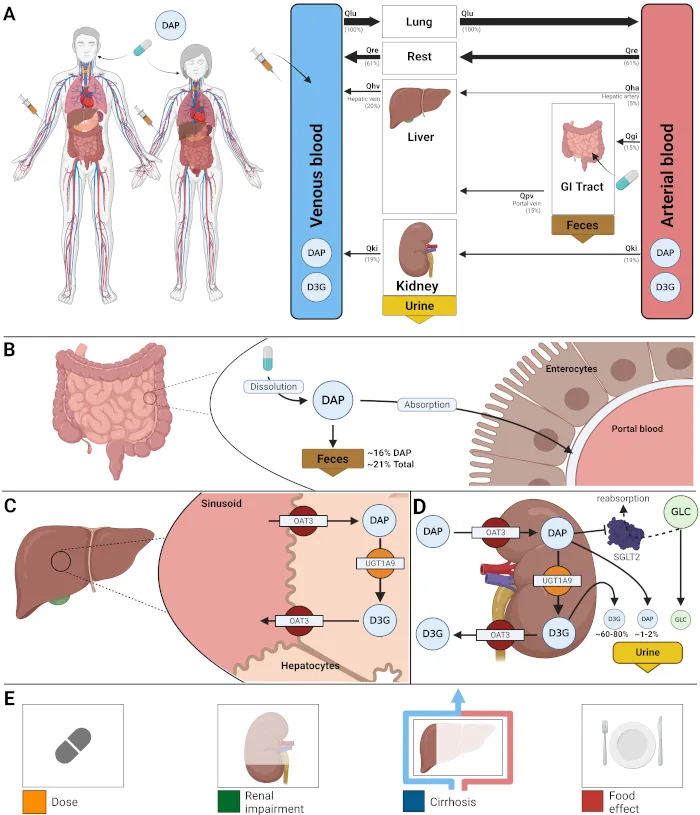
PBPK/PD digital twins of the SGLT2 inhibitors dapagliflozin, canagliflozin, and empagliflozin, characterizing interindividual variability in glycemic response in type 2 diabetes, e.g. due to differences in hepatorenal function.

Digital twins for blood pressure regulation

Digital twins for blood pressure regulation

Digital Twins Pharmacometrics

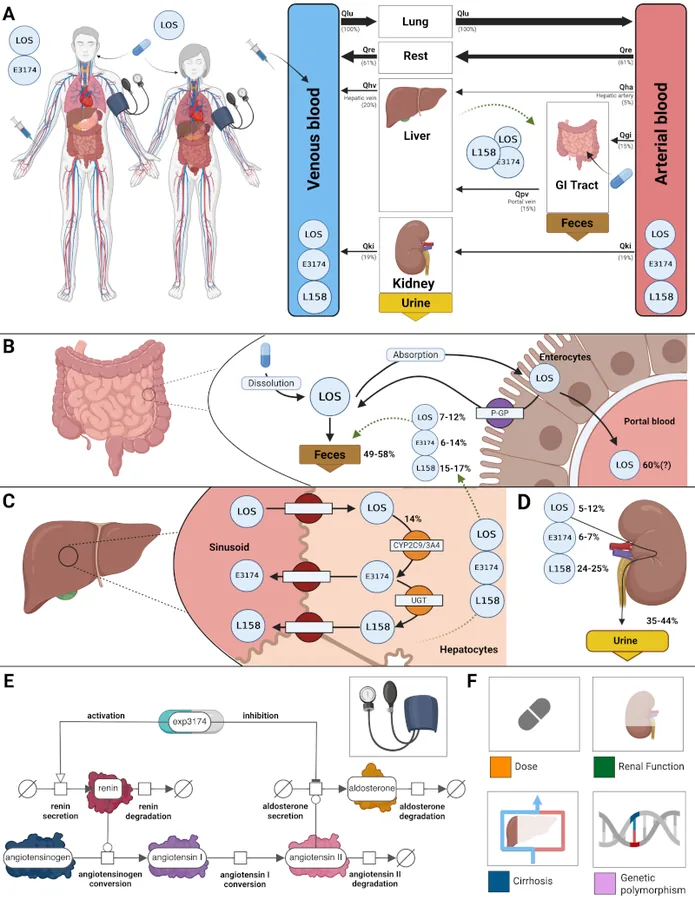
PBPK/PD digital twins of the antihypertensive agents losartan and hydrochlorothiazide, modeling blood-pressure regulation to study interindividual variability from hepatorenal impairment and pharmacogenomics.

Digital twin of glimepiride for personalized diabetes therapy

Digital twin of glimepiride for personalized diabetes therapy

Digital Twins Pharmacometrics

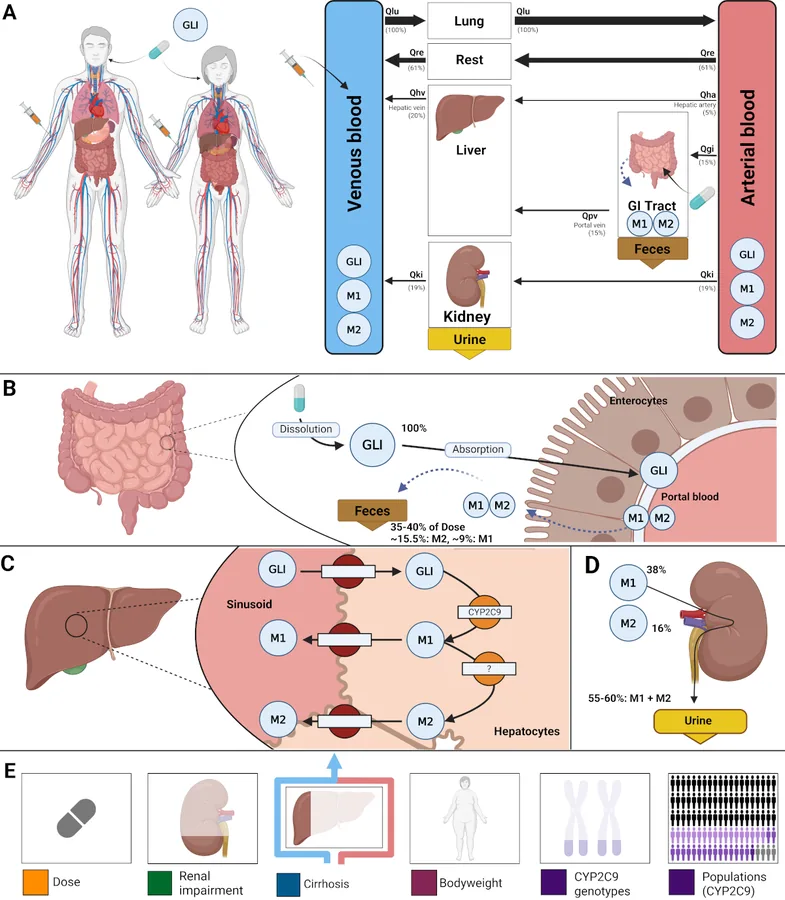
A PBPK/PD digital twin of the sulfonylurea glimepiride, investigating variability in insulin secretion and treatment response in type 2 diabetes, e.g. due to hepatorenal function and CYP2C9 genotype.

Digital twins of direct oral anticoagulants (DOACs)

Digital twins of direct oral anticoagulants (DOACs)

Digital Twins Pharmacometrics

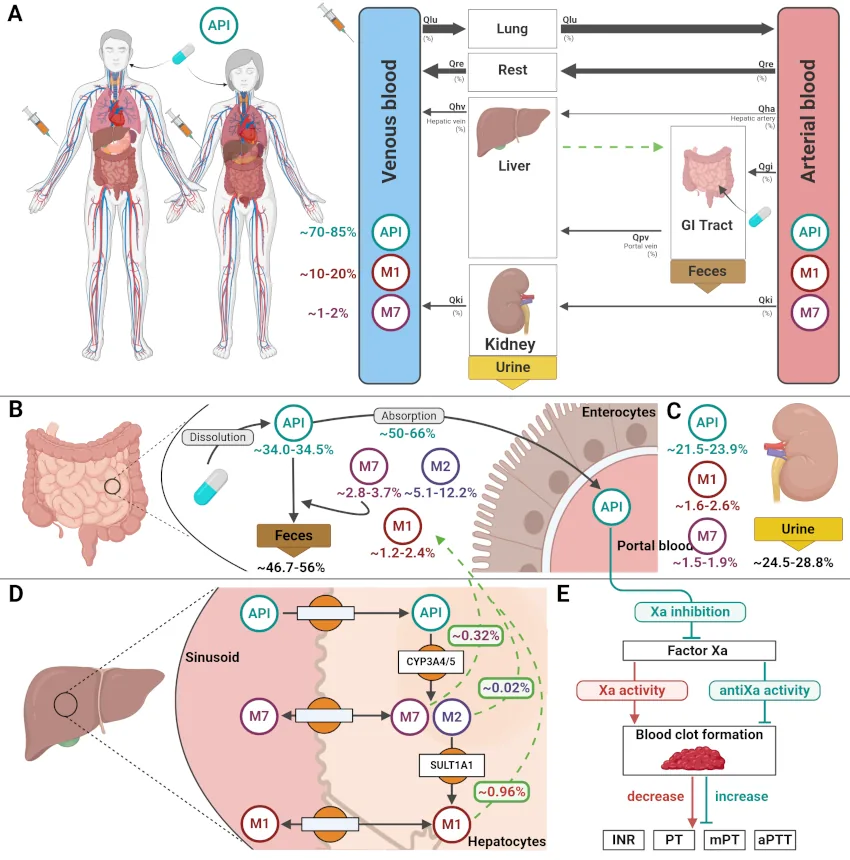
PBPK/PD digital twins of direct oral anticoagulants (DOACs), covering apixaban and rivaroxaban with edoxaban planned, supporting personalized anticoagulation therapy in special populations such as renal or hepatic impairment.

Digital twin of rapamycin for personalized immunosuppressive therapy

Digital twin of rapamycin for personalized immunosuppressive therapy

Digital Twins Pharmacometrics

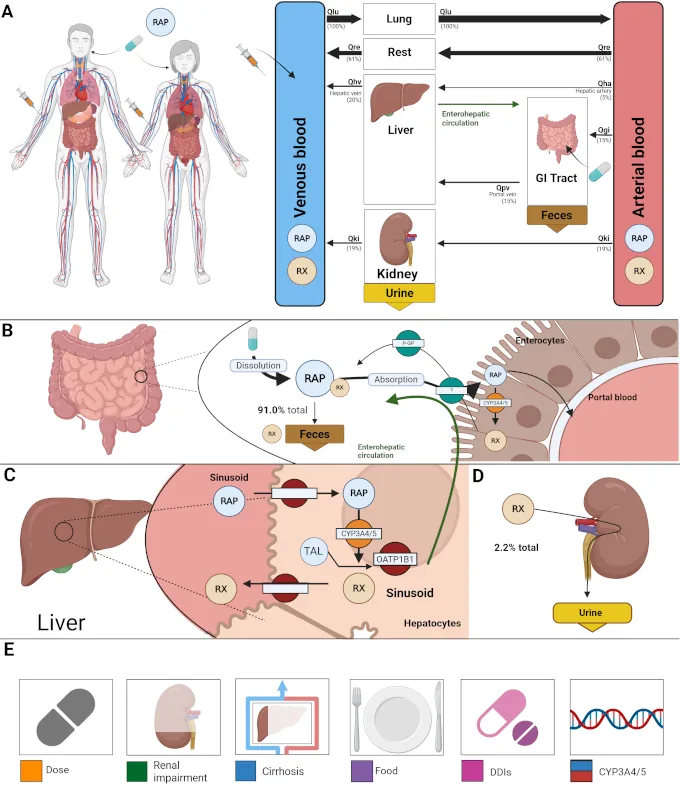
A PBPK digital twin of the mTOR inhibitor rapamycin (sirolimus) predicting dose-exposure relationships and organ impairment effects, contributing to the Immune Digital Twin (IDT) initiative.

PBPK model of montelukast

PBPK model of montelukast

Pharmacometrics

A PBPK model of the leukotriene receptor antagonist montelukast investigating interindividual variability from hepatic CYP2C9/CYP3A4 metabolism, drug-drug interactions, and age-related differences.

Protein distributions in the human liver

Protein distributions in the human liver

Pharmacometrics

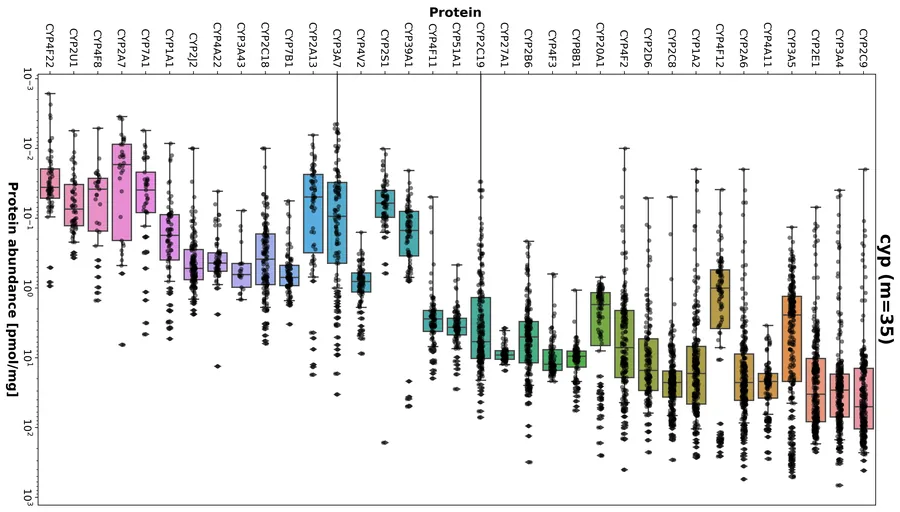
A systematic analysis of the variability in abundance of CYP and UGT enzymes and ABC/SLC transporters across human livers, providing a key resource for PBPK modeling and understanding individual differences in drug clearance.

ATLAS - AI and Simulation for Tumor Liver ASsessment

ATLAS - AI and Simulation for Tumor Liver ASsessment

Digital Twins AI

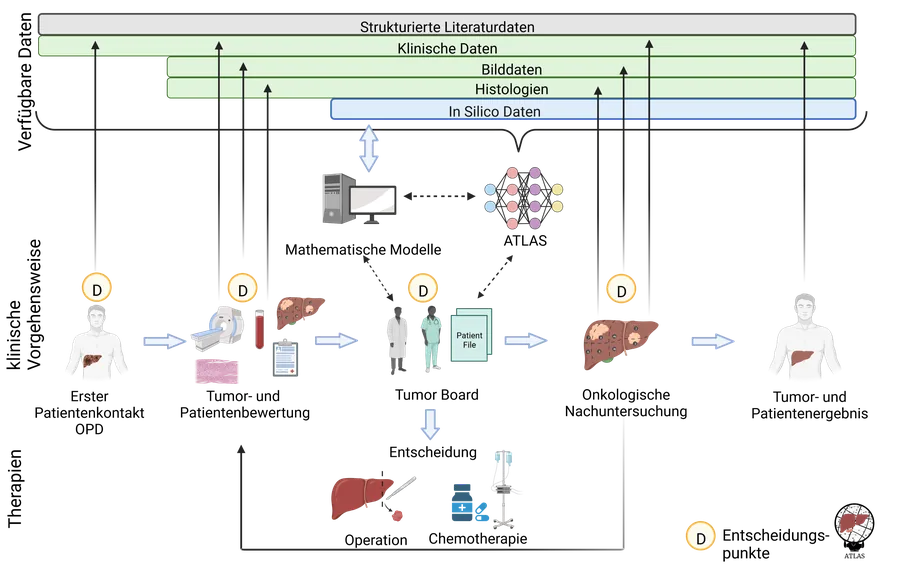
A clinical decision-support tool for liver cancer combining AI, systems medicine, and biomechanical simulation with patient data to guide treatment decisions, developed with surgical oncology and machine learning experts and evaluated on a cohort of more than 6,000 liver tumor patients.

Hepatic zonation patterns of Cytochrome P450 enzymes

Hepatic zonation patterns of Cytochrome P450 enzymes

Digital Pathology AI

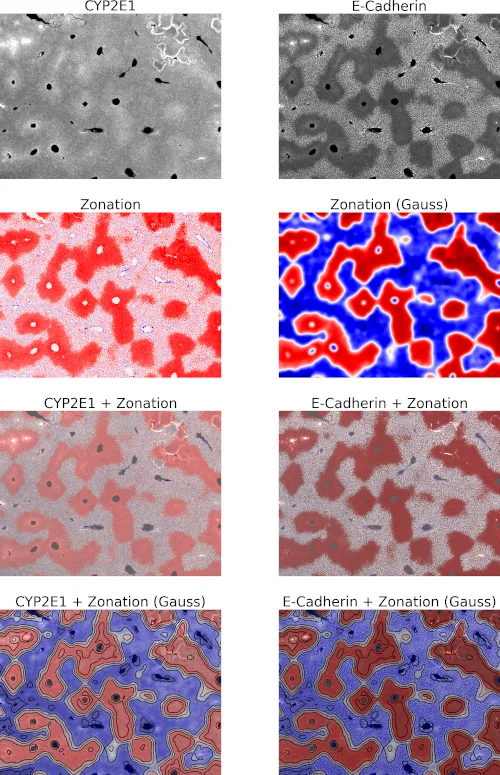
An image analysis pipeline to quantify hepatic zonation patterns from immunofluorescence and immunohistochemistry whole-slide images, applied to study species differences and changes due to steatosis and altered perfusion.

Simvastatin therapy in different subtypes of hypercholesterolemia

Simvastatin therapy in different subtypes of hypercholesterolemia

Pharmacometrics

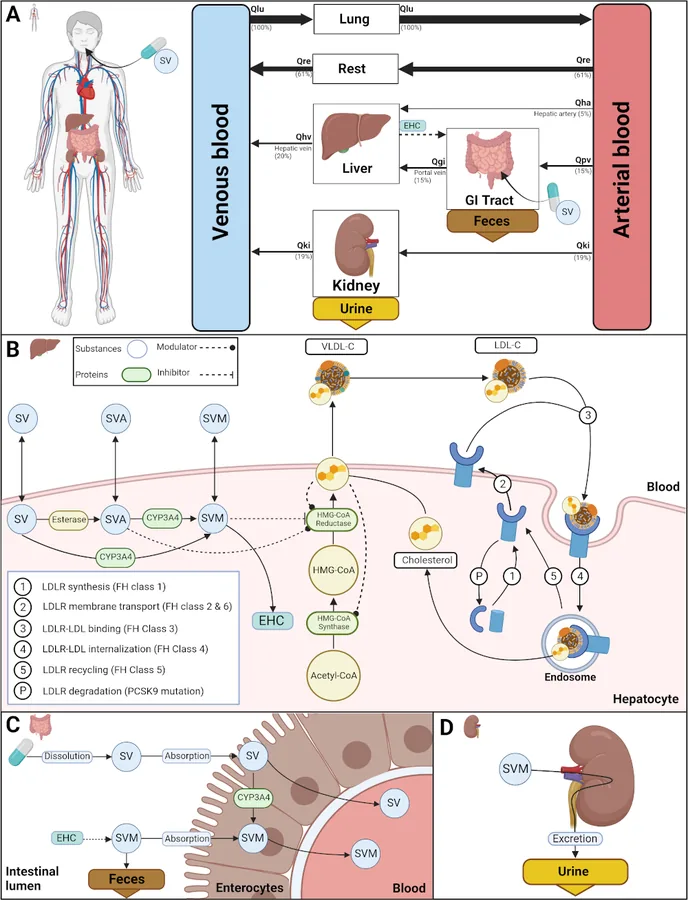
A PBPK/PD model of simvastatin and plasma LDL-C, capturing hepatic cholesterol synthesis and LDLR-mediated clearance, shows that simvastatin consistently lowers LDL-C in a dose-dependent manner across genetic subtypes of hypercholesterolemia, supporting stepwise dose titration. Model and database are freely available.
Computational Modeling of Dynamical Liver Function Tests: LiMAx

Computational Modeling of Dynamical Liver Function Tests: LiMAx

Pharmacometrics

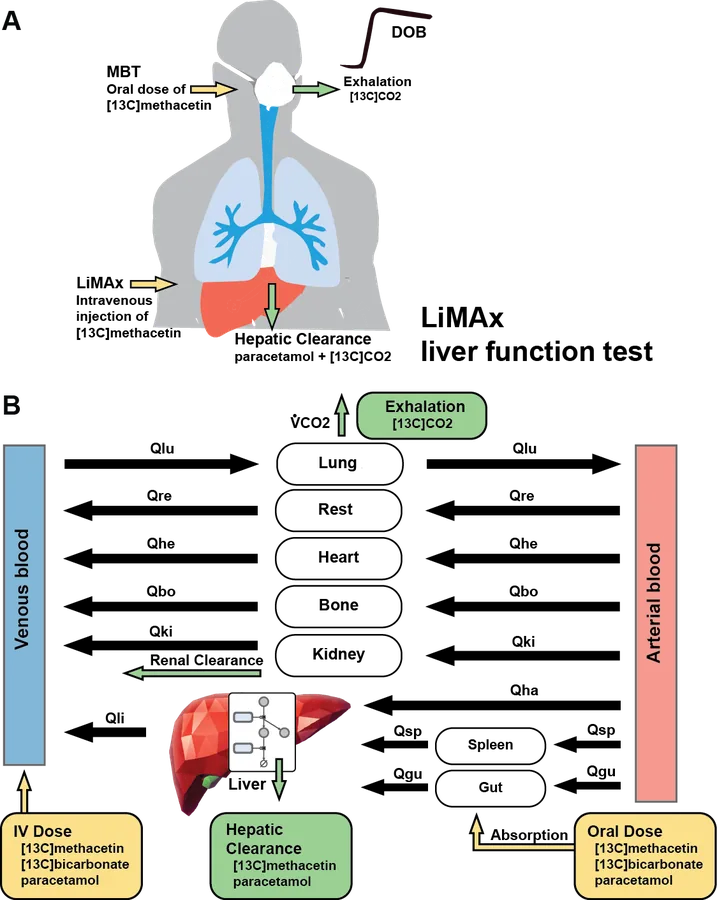
A PBPK model of the 13C-methacetin breath test (MBT/LiMAx), validated against more than 20 clinical studies, identifying how CYP1A2 content, hepatic perfusion, and lifestyle factors such as smoking affect liver function test results.

Reproducible simulation studies targeting COVID-19

Reproducible simulation studies targeting COVID-19

Open & FAIR

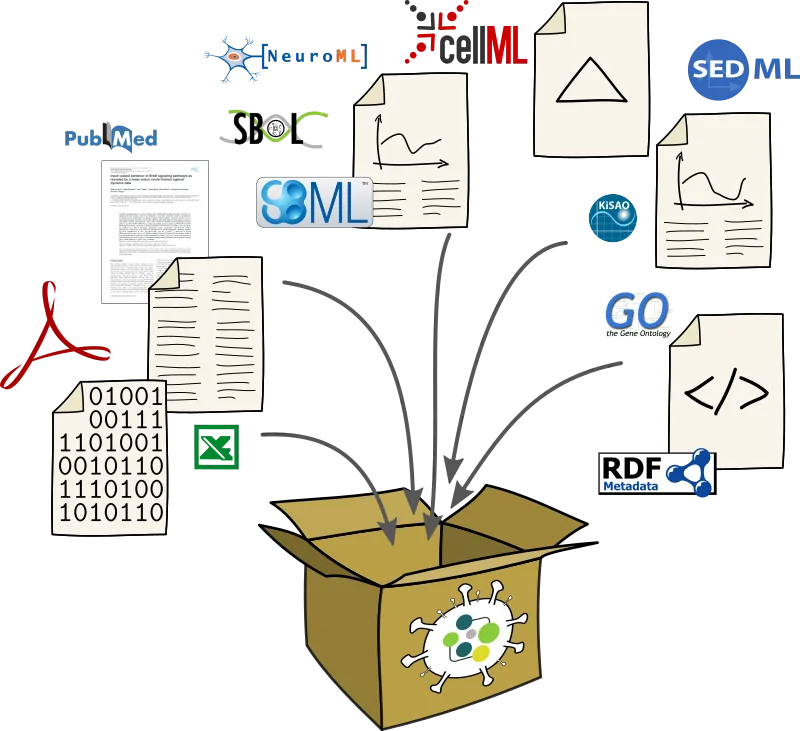
With partners at the University of Greifswald, BioModels/EMBL-EBI, and code ahoi, we disseminate COVID-19 simulation models in interoperable, high-quality formats, supported by EOSCsecretariat.eu COVID-19 Fast Track Funding.

TabularQual: A spreadsheet-based format for logical models

TabularQual: A spreadsheet-based format for logical models

Open & FAIR

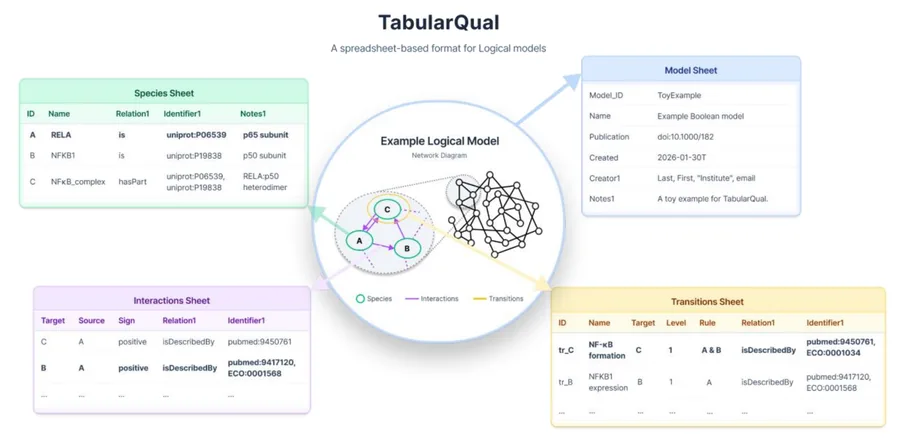
A spreadsheet-based, community-driven format for annotating and curating Boolean and multi-valued logical models in SBML-qual, with a bidirectional converter and web interface that bridges human-readable spreadsheets and standardized, executable models.
VisFEM: 3D visualization of digital twins

VisFEM: 3D visualization of digital twins

Digital Twins AI Open & FAIR

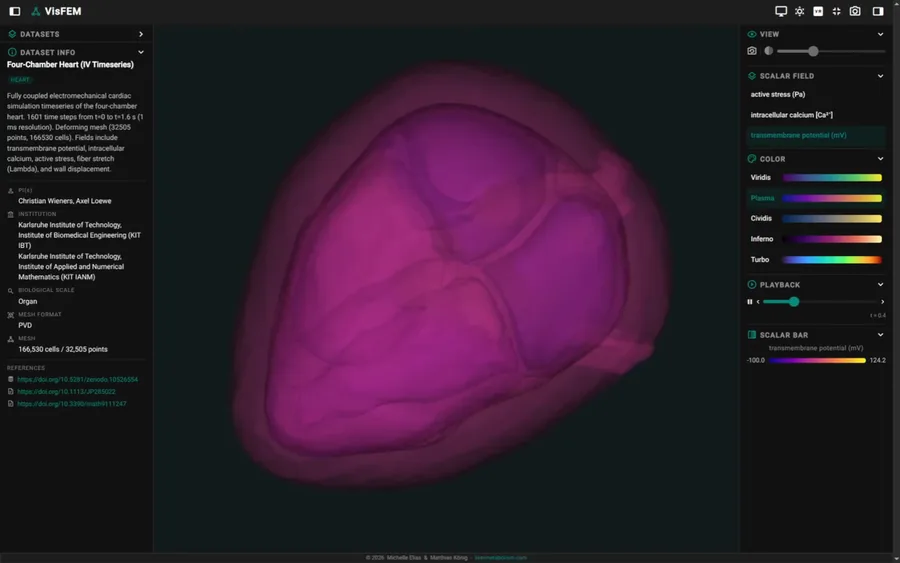
A browser-based visualization tool for finite element method (FEM) simulation results, making FEM-based digital twin models interactively explorable and shareable directly from the web to lower the barrier to reproducible computational modeling.

Modeling Hepatic Central Metabolism

Modeling Hepatic Central Metabolism

AI

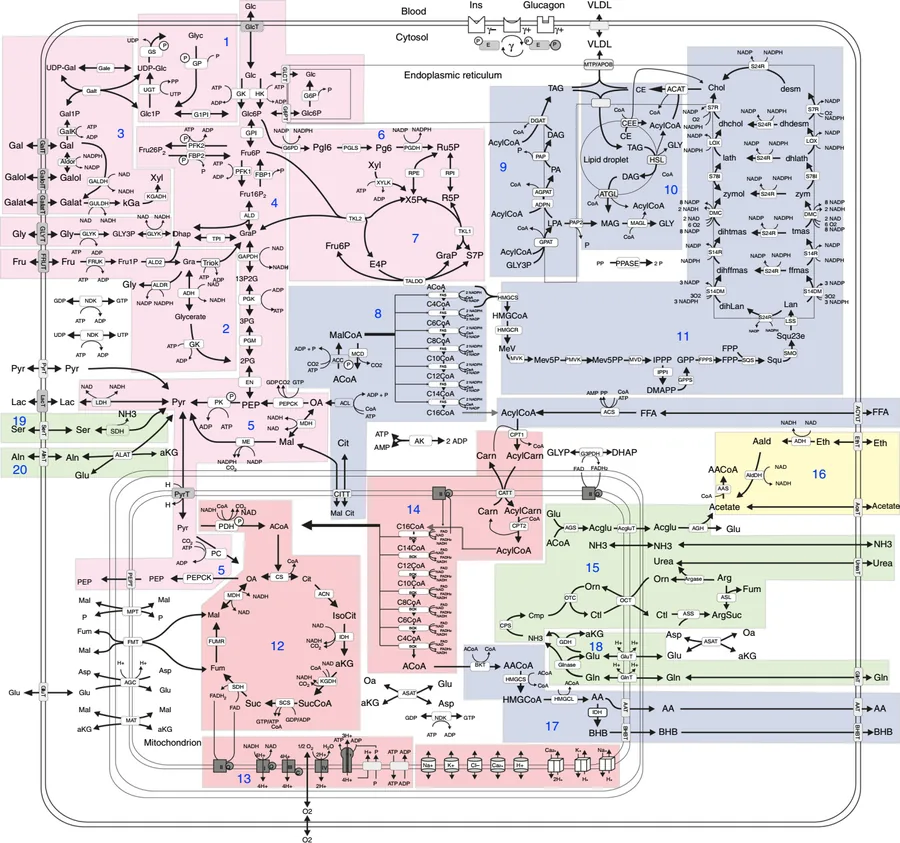
A comprehensive kinetic model of hepatic central metabolism, capturing regulation of enzyme activity by reactants, allosteric effectors, and hormone-dependent phosphorylation, to better understand metabolic regulation in non-alcoholic fatty liver disease (NAFLD).

Stratification and personalization of computational models

Stratification and personalization of computational models

Pharmacometrics Open & FAIR

A workflow to stratify and personalize PBPK models for specific subpopulations (e.g. smokers vs. non-smokers, children vs. adults), combining literature mining and machine learning for data extraction with a pharmacokinetics database for storage and reuse.
Multi-scale Model of Hepatic Metabolism

Multi-scale Model of Hepatic Metabolism

Digital Twins

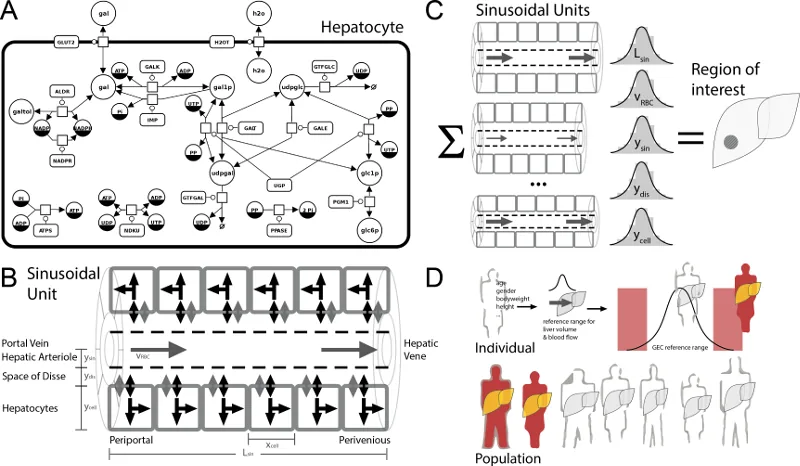
A multiscale model of the human liver spanning single hepatocytes to whole-organ perfusion, applied to galactose metabolism to personalize liver function tests, explain age-related changes, and predict population variability from liver volume and perfusion.
Liver Function Tests

Liver Function Tests

Digital Twins

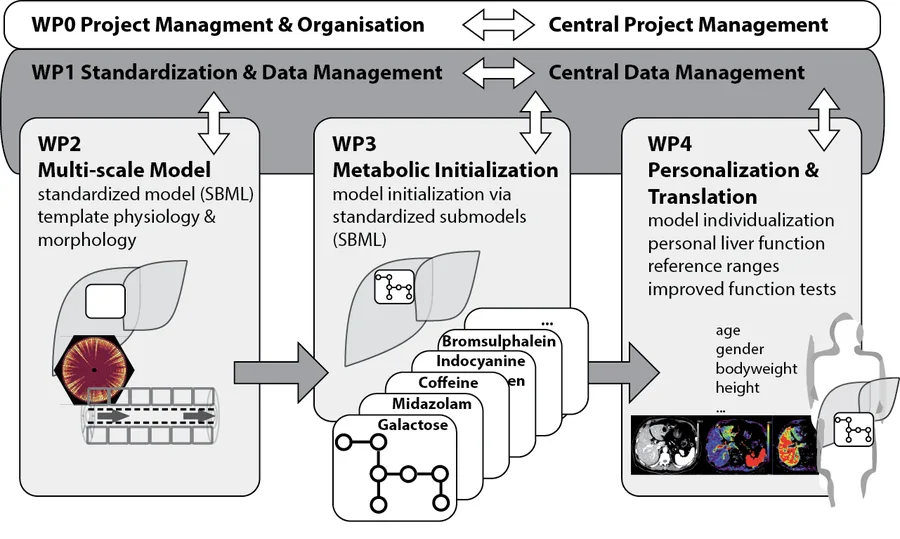
An open, reproducible multiscale liver model and the infrastructure to integrate imaging, perfusion, and clinical data, with metabolic modules for substances used in liver function tests (methacetin, galactose, BSP, ICG, midazolam, codeine, caffeine, torsemide, pravastatin, talinolol).

Biomarker signatures in liver disease

Biomarker signatures in liver disease

AI

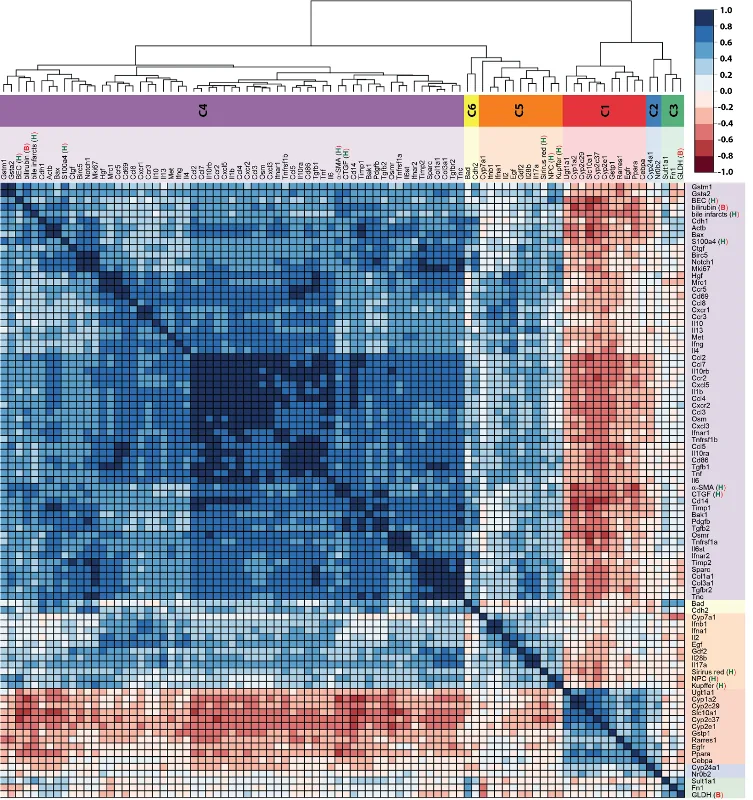
A comprehensive dataset of serum markers, histology, and transcript profiles across 8 timepoints of bile-duct-ligation-induced cholestatic liver disease in mice, identifying robust biomarkers for disease staging.

High Performance Simulators and Simulation Software

High Performance Simulators and Simulation Software

Open & FAIR

Tellurium Notebook is a Python/Jupyter-based environment for building, simulating, and sharing reproducible dynamical models using the COMBINE archive standard, bringing a literate-programming workflow to systems biology.